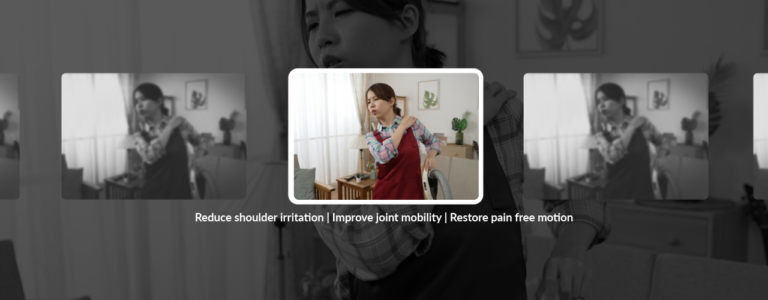

How Shoulder Bursitis Develops and Why It’s Often Misdiagnosed
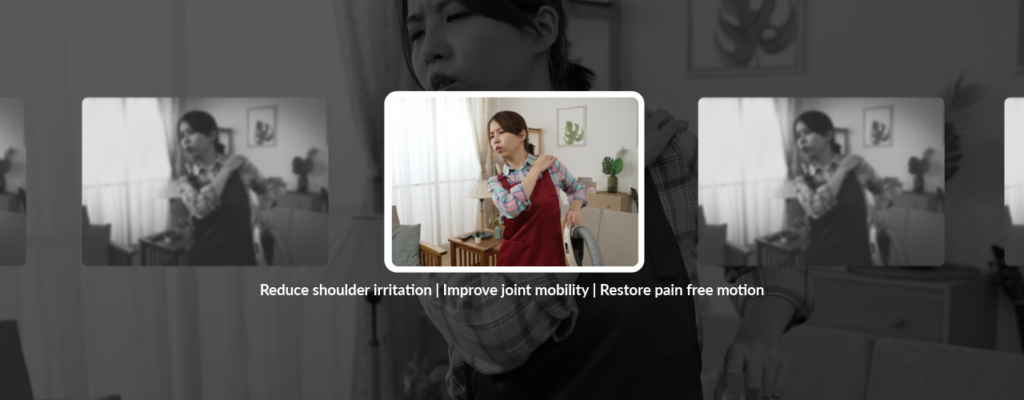
Shoulder bursitis is often mistaken for other shoulder conditions. Many people experience shoulder pain and assume it comes from muscle strain or tendon problems. In reality, shoulder bursitis develops for specific reasons and presents symptoms that overlap with other issues.
Understanding what causes it, how to recognize it, and why early diagnosis matters helps prevent chronic shoulder pain and long term limitations.
What is Bursitis?
Bursitis occurs when a bursa becomes irritated or inflamed.
Read full blog about How Shoulder Bursitis Develops and Why It’s Often MisdiagnosedUnderstanding Why Balance Disorders Are More Common Than You Think
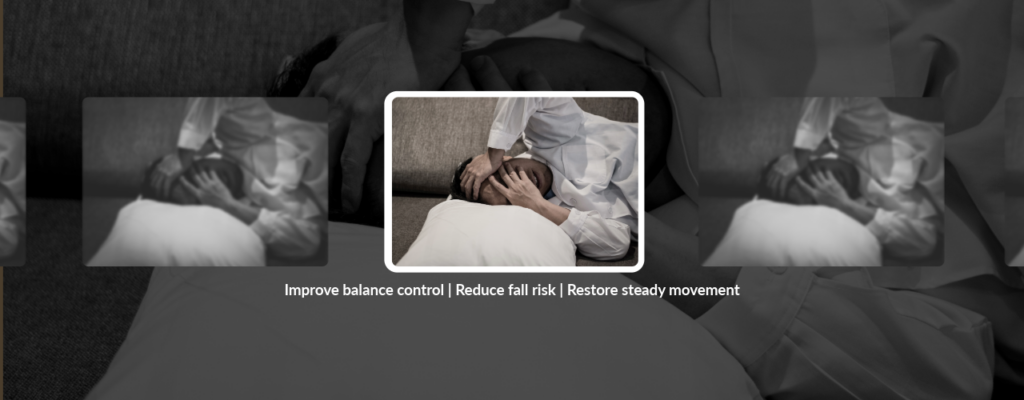
Balance disorders affect more people than many realize. Some individuals notice unsteadiness only occasionally, while others experience frequent dizziness or difficulty walking. Because symptoms vary and often develop gradually, balance difficulties frequently go unrecognized. Understanding why these issues are common helps people identify early signs and seek appropriate care.
What Are Balance Disorders?
Balance disorders involve difficulty maintaining stability during standing, walking, or movement. These issues occur when systems that control balance do not work together effectively.
Read full blog about Understanding Why Balance Disorders Are More Common Than You ThinkWhat You Need to Know to Return to Work Safely After an Injury

Returning to work after an injury often brings uncertainty. Many people worry about reinjury, fatigue, or whether their body can handle job demands. Understanding how to return to work safely helps people protect recovery while rebuilding confidence. Preparation matters as much as healing.
Steps That Help You Return to Work Safely After an Injury
Step 1: Understand What Safe Return to Work Means
To return to work safely means more than showing up without pain.
Read full blog about What You Need to Know to Return to Work Safely After an InjuryThe Real Impact of Chronic Pain and Why Early Management Matters

Chronic pain affects more than physical comfort. It changes how people move, think, work, and engage in daily life. Many individuals wait to address symptoms, hoping pain will resolve on its own. Chronic pain management becomes more effective when care begins early. Understanding the real impact of chronic pain helps people recognize why early action matters for long term health and function.
Understanding Chronic Pain in More Detail
What Chronic Pain Really Means
Chronic pain describes discomfort that persists beyond normal healing time.
Read full blog about The Real Impact of Chronic Pain and Why Early Management MattersMigraine vs Headache: How to Tell the Difference and Why It Matters

Many people use the words migraine and headache interchangeably. The body experiences these conditions very differently. Understanding migraine vs headache helps people recognize when symptoms suggest more than a simple discomfort. This distinction matters because treatment, triggers, and long-term impact often differ.
Migraine vs Headache: What You Need to Know
What Is a Headache?
A headache describes pain felt in the head, scalp, or upper neck. Headaches vary in intensity, location, and duration.
Read full blog about Migraine vs Headache: How to Tell the Difference and Why It MattersWhat Arthritis in the Shoulder Feels Like
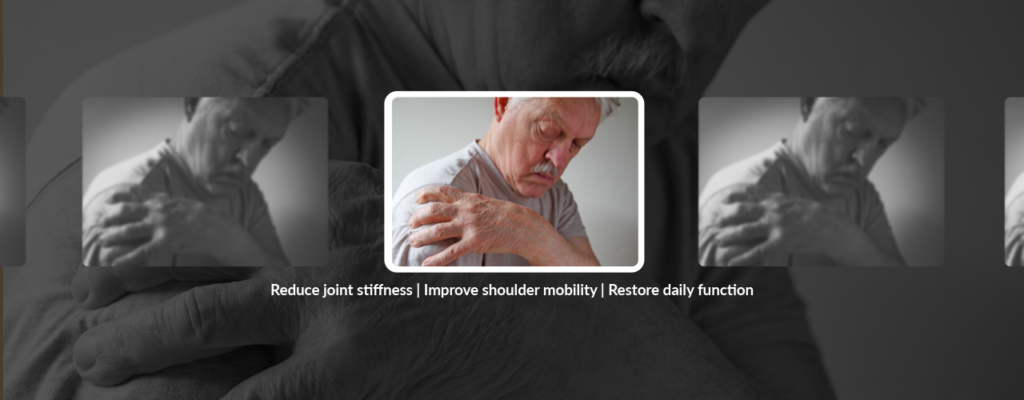
Arthritis in the shoulder often develops gradually. Many people notice stiffness or discomfort long before they suspect arthritis. As the condition progresses, mobility becomes more limited and daily activities feel harder to manage. Understanding how arthritis in shoulder joints begins, what symptoms signal progression, and when to seek help supports better long-term function.
Common Questions About Shoulder Arthritis
What Does Arthritis in the Shoulder Feel Like at First?
Early arthritis in the shoulder often feels subtle.
Read full blog about What Arthritis in the Shoulder Feels LikeHow Inner Ear Problems Cause Serious Balance Disruptions
The inner ear plays a central role in how the body maintains balance, orientation, and coordination during movement. It sends constant information to the brain about head position and motion. When this system functions well, balance adjustments happen automatically. When it does not, even simple movements can feel disorienting. Understanding how inner ear balance problems affect the body helps explain why balance disruptions often feel sudden and severe.
An Overview of Inner Ear Problems
How Inner Ear Balance Problems Begin
Inner ear balance problems develop when the structures that sense motion and position stop sending accurate signals.
Read full blog about How Inner Ear Problems Cause Serious Balance DisruptionsChronic Head Pain Management: Strategies for Improved Quality of Life

Chronic head pain can feel like an unwelcome guest that overstays its welcome, disrupting your days and sapping your energy. Chronic head pain doesn’t just affect your physical well-being—it can also lead to emotional fatigue, difficulty concentrating, and strained relationships. At , we specialize in chronic head pain management, offering strategies to help you regain control and improve your quality of life.
Headaches That Hang Around: What’s Going On?
Chronic head pain comes in various forms, with tension headaches and migraines among the most common culprits.
Read full blog about Chronic Head Pain Management: Strategies for Improved Quality of LifeUnderstanding Chronic Pain and Its Management

Chronic pain can feel like an unwelcome guest that refuses to leave. Unlike acute pain, which signals an injury or illness and typically resolves with treatment, chronic pain persists for three months or longer. It can affect every aspect of life, from work and sleep to relationships and hobbies. While it might seem overwhelming, there’s hope. With a thoughtful approach to chronic pain management, individuals can regain control and improve their quality of life.
Read full blog about Understanding Chronic Pain and Its ManagementWhat Is a Shoulder Labrum Tear? Causes, Symptoms, and Diagnosis

Shoulder injuries can significantly impact your daily life, making it difficult to perform basic reaching or grasping movements. One such injury is a labrum tear in the shoulder, which affects the cartilage surrounding the shoulder socket.
The good news is that physical therapy at can help you resolve a labrum shoulder tear–often without resorting to surgery or other invasive treatments! In this blog, we want to explore this injury in more detail and let you know what our team can do to help treat it.
Read full blog about What Is a Shoulder Labrum Tear? Causes, Symptoms, and Diagnosis